TL;DR
A septic tank partially treats wastewater by settling out solids before the remaining liquid disperses into a drainage field; a cesspit (or cesspool) is a fully sealed tank that stores everything with no treatment and no discharge at all, so it fills up — and needs emptying — far more often; a soakaway or drainage field isn't a tank at all, but the network of pipe and gravel that lets already-treated effluent soak safely into the ground. Not sure which one your property has? Get in touch through our online contact form and we can help you work it out.
What a Septic Tank Is and Does
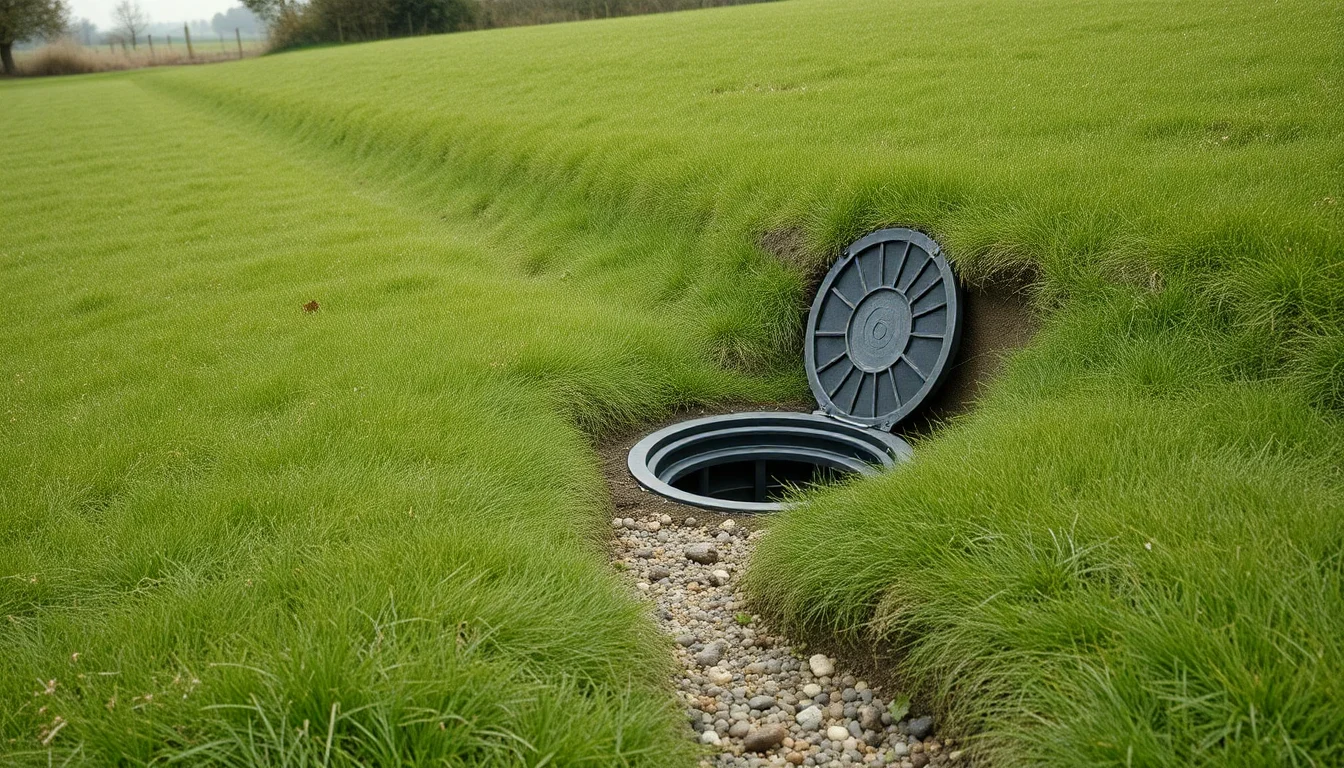
A septic tank is an underground chamber — concrete, fibreglass or plastic — that takes in all of a property's wastewater. Solids settle to the bottom as sludge, fats and oils float as a scum layer on top, and naturally occurring bacteria break down some of the organic material in between. The remaining liquid, the effluent, then leaves via an outlet pipe and moves on to a drainage field, where the ground itself finishes the job. Because some treatment happens inside the tank, it doesn't need emptying as often as a system with no treatment stage at all, though the sludge and scum layers still need removing periodically, or the tank eventually loses the capacity to work properly. This is the setup found on many off-mains properties around Basingstoke's outlying villages, including Overton and Old Basing.
What a Cesspit (or Cesspool) Is and Does
A cesspit, sometimes called a cesspool, is a different thing entirely: a fully sealed tank with no outlet and no treatment process whatsoever. Everything that goes in stays there until it's physically removed by tanker. Because nothing ever leaves except by emptying, the level rises steadily with every use of the property's plumbing, which means a cesspit fills up, and needs emptying, considerably more often than a septic tank ever would. There's no drainage field attached to a cesspit, because there's nothing being discharged to disperse.
What a Soakaway or Drainage Field Actually Is
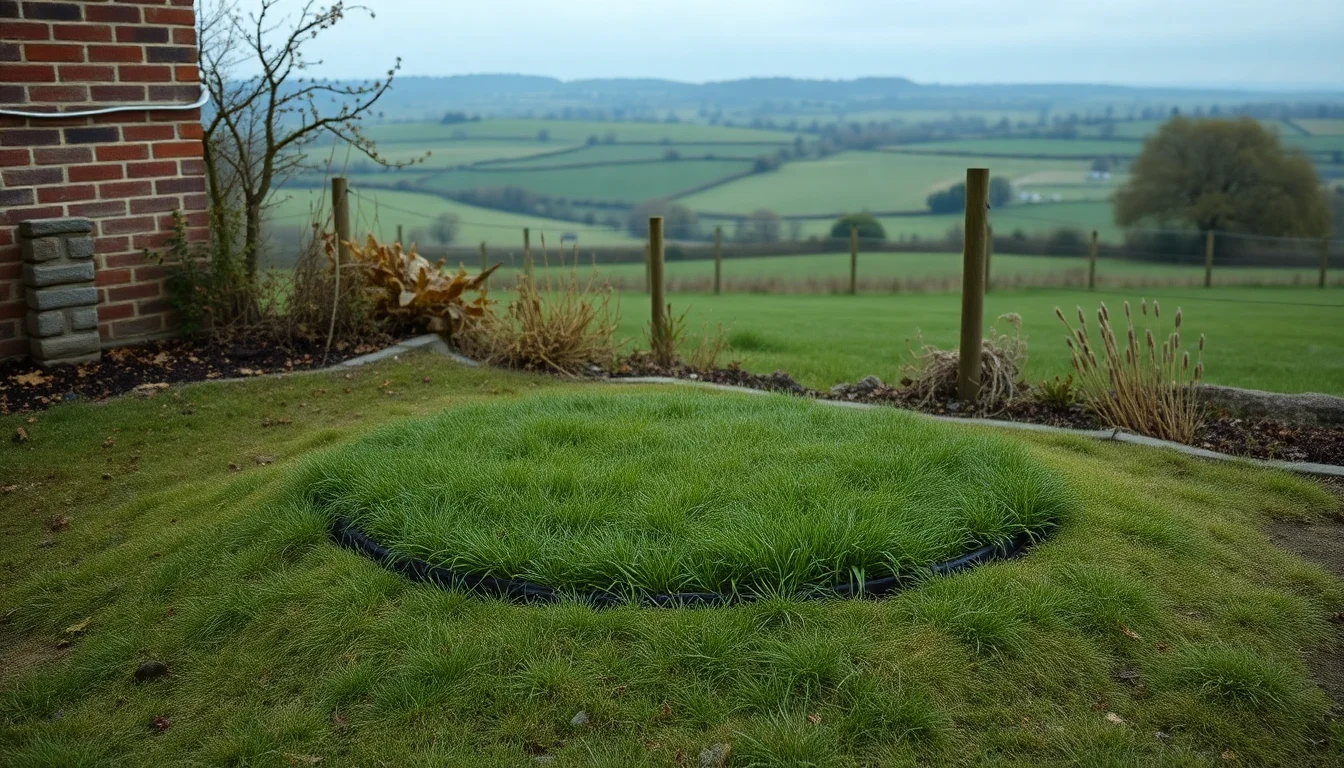
This is the part that trips people up most: a soakaway, or drainage field, isn't a tank at all. It's a network of perforated pipe laid in shallow, gravel-filled trenches, spread across an area of ground large enough to cope with the volume involved. Effluent leaving a septic tank runs into these pipes, seeps out through the perforations, and percolates down through the gravel and soil, where natural filtration finishes treating it before it rejoins the groundwater. How well a soakaway performs depends heavily on what's underneath it — permeable ground, including the chalk found across parts of Hampshire, generally drains well, while heavy clay or a high water table can cause a field to struggle or fail outright.
Why the Difference Actually Matters
Knowing which of the three you've got changes what you should expect, practically. A septic tank, doing some treatment before it discharges, typically needs desludging less often than the sludge-and-scum buildup in a cesspit forces on that system. A cesspit, with nowhere for anything to go, hits its limit sooner and needs tanker visits on a noticeably tighter schedule, which adds up in inconvenience even where any single visit is a similar job. And a soakaway that's undersized or poorly sited for the ground it's in can let effluent surface or reach a nearby watercourse, which is a different kind of problem to solve than simply emptying a tank.
The Regulatory Side, in Plain Terms
Small sewage discharges from a septic tank to a soakaway or drainage field in England are covered by the Environment Agency's general binding rules — conditions around things like distance from watercourses, wells and buildings, and the standard of treatment before discharge, that let a system operate without needing an individual permit. Hampshire's geology varies a fair bit across the area a property might sit in: chalk downland generally percolates well, while heavier clay ground elsewhere can restrict how effectively a soakaway works. Before relying on, extending, or replacing a drainage field, it's worth checking the ground conditions actually support it — a drainage investigation can help establish that if you're not sure.
Working Out Which System You Actually Have
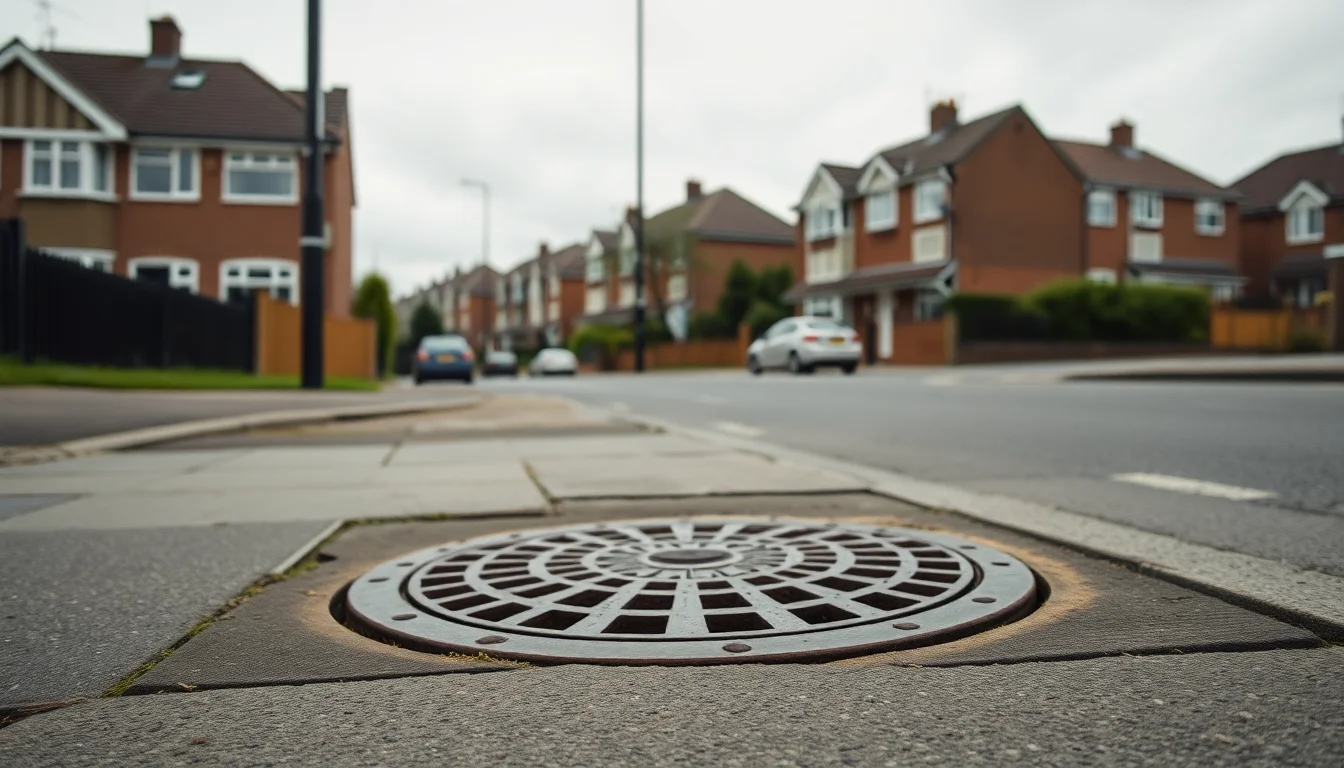
If you're not sure what's serving your property, start by looking for access points. A septic tank usually has a visible manhole or inspection cover, sometimes with a vent pipe nearby. A cesspit can look similar from above but has no outlet pipe leading away from it — a stronger odour or noticeably frequent tanker visits are often the giveaway instead. A soakaway or drainage field has no tank at all — instead, look for a series of shallow, gravel-topped trenches or small inspection points spread across a lawn or field. Old building plans or a previous owner can help confirm it, but if none of that's available, get in touch through our online contact form and describe what you can see — we can usually work out which system you're dealing with before booking anything.
Frequently Asked Questions
**How do I know if I have a septic tank or a cesspit?** A septic tank has an outlet pipe leading to a drainage field, so you'd typically see some sign of that field nearby — a stretch of ground that behaves slightly differently to the rest of the garden. A cesspit has no outlet at all, so there's nothing to find beyond the tank itself, and it will need emptying considerably more often.
**Which needs emptying more often, a septic tank or a cesspit?** A cesspit, by a wide margin. It stores everything with no discharge, so the level rises with every use, whereas a septic tank only needs the sludge and scum layers removed periodically since the treated liquid is already leaving via the drainage field.
**Can a soakaway fail even if the septic tank is fine?** Yes — the tank and the drainage field are two separate parts of the system, and a soakaway can struggle or fail due to ground conditions, age, or root intrusion even when the tank itself is working exactly as it should. Slow drainage or smells over the drainage field, rather than at the tank, usually point this way.
**Do I need permission to have a septic tank in Hampshire?** Small sewage discharges to a drainage field are generally covered by the Environment Agency's general binding rules rather than needing an individual permit, provided the system meets the relevant conditions. If you're planning a new installation or a significant change to an existing one, it's worth checking your specific circumstances against those rules.
**Can I convert a cesspit to a septic tank?** It's a question worth raising with a professional rather than assuming either way, since it depends on the site, the ground conditions for a drainage field, and what's practically achievable on your particular plot. Get in touch through our contact form with details of your property and we can advise on the options.