
TL;DR
Not every property around Basingstoke sits on the mains sewer network — rural properties and villages towards the chalk downland to the north, and plenty of homes on the edge of the built-up area, rely on a septic tank instead. A septic tank only works properly if it's emptied before sludge builds up to the point of overflowing, and how often that's needed depends on the tank's size and how the household uses it, not a single fixed number. Get in touch through our online contact form if yours is overdue or you're not sure.
Why Some Properties Around Basingstoke Are Off the Mains Network
The town centre and the estates built through Basingstoke's rapid 1960s-80s growth — Brighton Hill, Chineham, Popley, Buckskin and Hatch Warren — connect to the public sewer network run by Thames Water. Move out towards the villages, though, and that's not always the case. Land rises into chalk downland to the north of the town, and properties scattered around villages such as Old Basing, Kingsclere, Sherborne St John and Overton were never connected to the mains sewer in the first place — laying pipe out to isolated farmsteads and spread-out rural plots simply wasn't practical. A septic tank is the standard way these properties manage their own wastewater without a mains connection.
How a Septic Tank Actually Works
In plain terms, a septic tank is a buried chamber that takes all the wastewater from a house. Inside, the flow slows down enough for solids to settle at the bottom as sludge, while fats and oils float to the top as scum. The layer in between, the effluent, is relatively clear and moves on to a drainage field, where it disperses into the ground and is broken down further by natural processes in the soil. The tank doesn't fully purify anything by itself; its job is to hold back the solids so the liquid can be dispersed safely.
Signs a Tank Is Overdue for Emptying
A tank that's been left too long tends to show it in a few ways: fixtures throughout the house draining more slowly than usual, gurgling in the pipes, an unpleasant smell near the tank or the drainage field, or patches of ground above the field that are unusually green, wet or spongy compared to the rest of the garden. There's no single interval that fits every property — a small tank serving a busy household needs emptying more often than a larger tank serving an occasional-use holiday cottage — so it's more useful to watch for these signs, or to follow the guidance for your specific tank, than to guess at a fixed schedule.
Why This Matters Environmentally, Not Just Practically
Septic tank discharges in England are covered by the Environment Agency's general binding rules, which exist to stop small sewage systems from polluting the ground and watercourses around them. That matters more than usual around Basingstoke, because the River Loddon rises in the area and the chalk geology to the north means groundwater can move through the ground relatively quickly. A tank that's overflowing or discharging poorly-treated effluent doesn't stay a private problem for long in that kind of setting, which is exactly why keeping on top of emptying protects more than just your own garden.
What a Professional Emptying Visit Involves
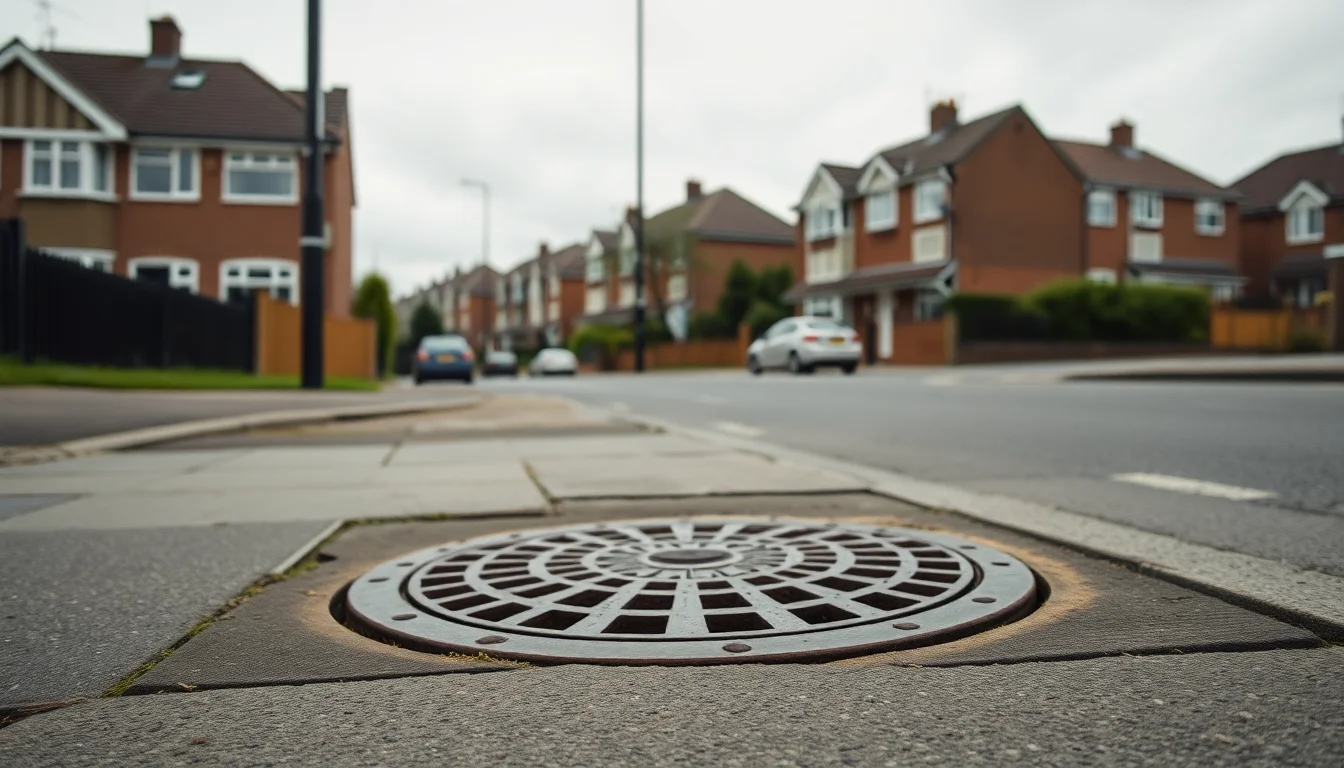
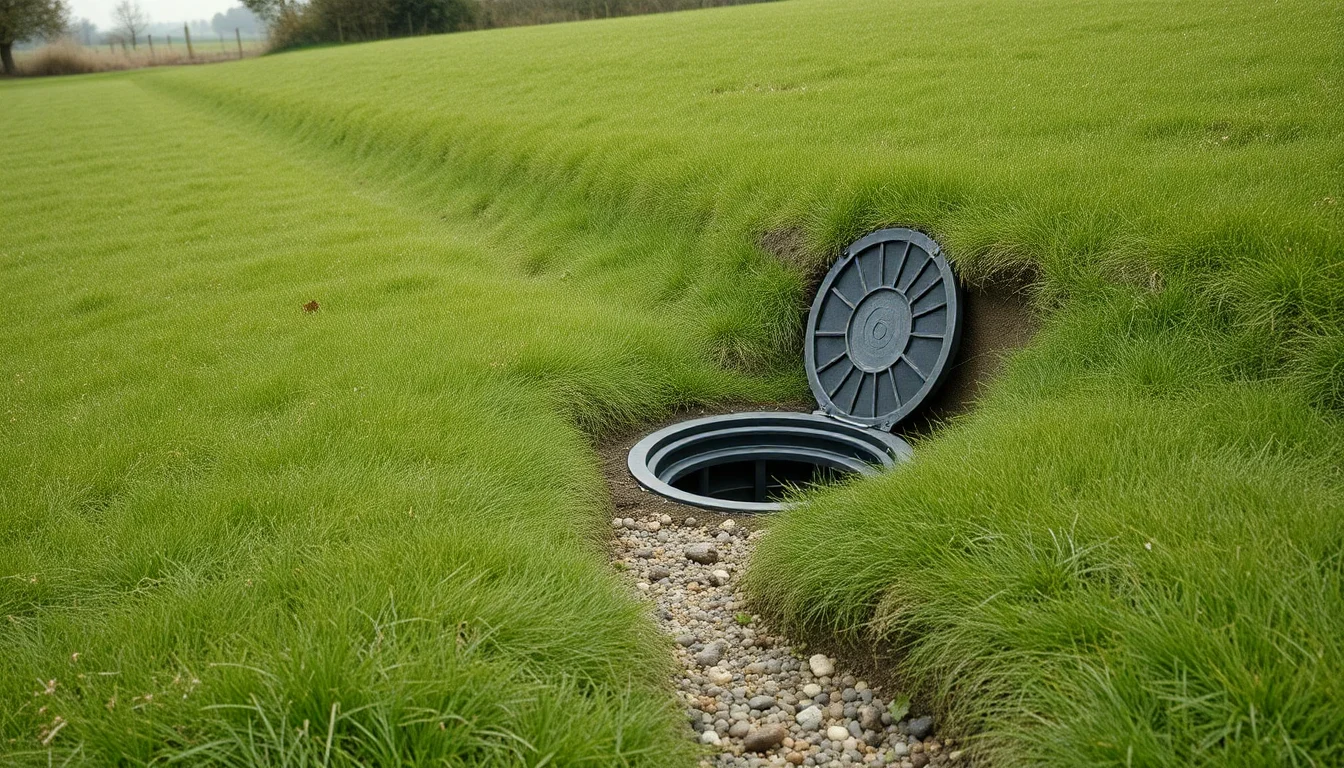
A typical visit starts with locating the tank's access point, which is sometimes a visible manhole cover and sometimes a lid sitting just below ground level in a garden or field. From there, a tanker removes the accumulated sludge and scum for licensed disposal, and the tank itself, along with the outlet and any visible pipework, gets a visual check for damage or blockages while it's open. It's also a reasonable point to ask about the tank's remaining capacity so you've got a realistic idea of when it'll need attention again, rather than waiting for the same warning signs to reappear.
Keeping an Off-Mains System on Top of Things
For villages and rural properties around Basingstoke relying on a septic tank, the most sensible approach is treating it as something that needs periodic attention rather than something to deal with once it's already causing a problem. If you're not sure how your tank is getting on, or it's been a while since it was last checked, get in touch through our online contact form and we can help you work out a sensible schedule.
Frequently Asked Questions
**How do I know if my septic tank needs emptying?** Look out for slow-draining fixtures throughout the house, gurgling pipes, smells near the tank or drainage field, or patches of ground above the field that are noticeably wetter or greener than the rest of the garden. Any of these suggest the tank is due attention rather than something to leave and monitor.
**How often does a septic tank need emptying?** There's no single figure that applies to every property — it depends on the tank's size and how much the household uses it. A smaller tank serving a busy family home will need emptying more often than a larger tank serving an occasionally-used property, so it's worth following the guidance for your specific system rather than a generic interval.
**What happens if a septic tank isn't emptied?** Left too long, sludge builds up until there's no longer enough capacity to settle solids properly, which can lead to blockages, effluent surfacing over the drainage field, or poorly-treated waste reaching the ground. Around Basingstoke's chalk geology and watercourses like the River Loddon, that's an environmental issue as well as a practical one.
**Do you empty septic tanks in villages around Basingstoke?** Yes — we cover septic tank services across the villages around Basingstoke, including Old Basing, Kingsclere, Sherborne St John, Bramley and Overton. Get in touch through our contact form with your postcode and we'll confirm.
**Is septic tank emptying different from a soakaway problem?** Yes — emptying deals with the sludge and scum inside the tank itself, while a struggling soakaway or drainage field is a separate issue with how the treated effluent disperses into the ground. If emptying the tank doesn't resolve slow drainage or smells, the drainage field itself may need attention instead.