TL;DR
Before booking a callout, a few checks can tell you a lot: is it one fixture or several, is water standing in the nearest external gully, and does a plunger or hot water with washing-up liquid make any difference? These quick checks are safe to try in most Basingstoke homes, whatever decade they were built in, but recurring blockages, sewage smells or gurgling from more than one fixture are signs to stop and book a proper inspection rather than keep trying. Get in touch through our online contact form if that's where you've landed.
One Fixture, or Several?
The first useful question is whether the problem is isolated. A single sink draining slowly while the toilet, shower and every other fixture in the house behave normally usually points to a local blockage in that branch — a build-up of food waste, hair or soap scum close to the fixture itself. If the toilet won't clear, the kitchen sink gurgles when the washing machine empties, and the shower tray is slow to drain, all at roughly the same time, the blockage is more likely further down the system, in the main run rather than one branch. That distinction matters because it tells you roughly how far into the pipework the problem sits, and therefore how realistic a DIY fix is.
A Safe Look at the Outside Gully or Chamber
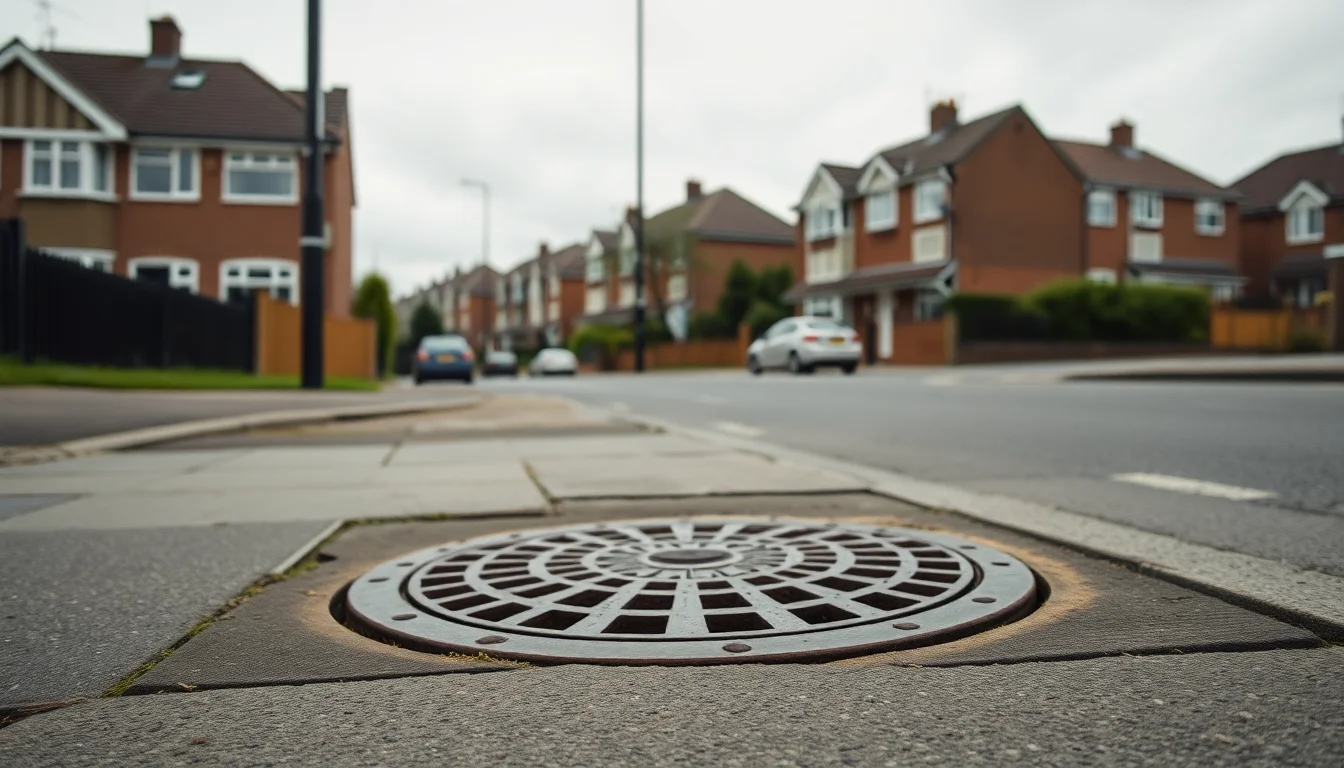
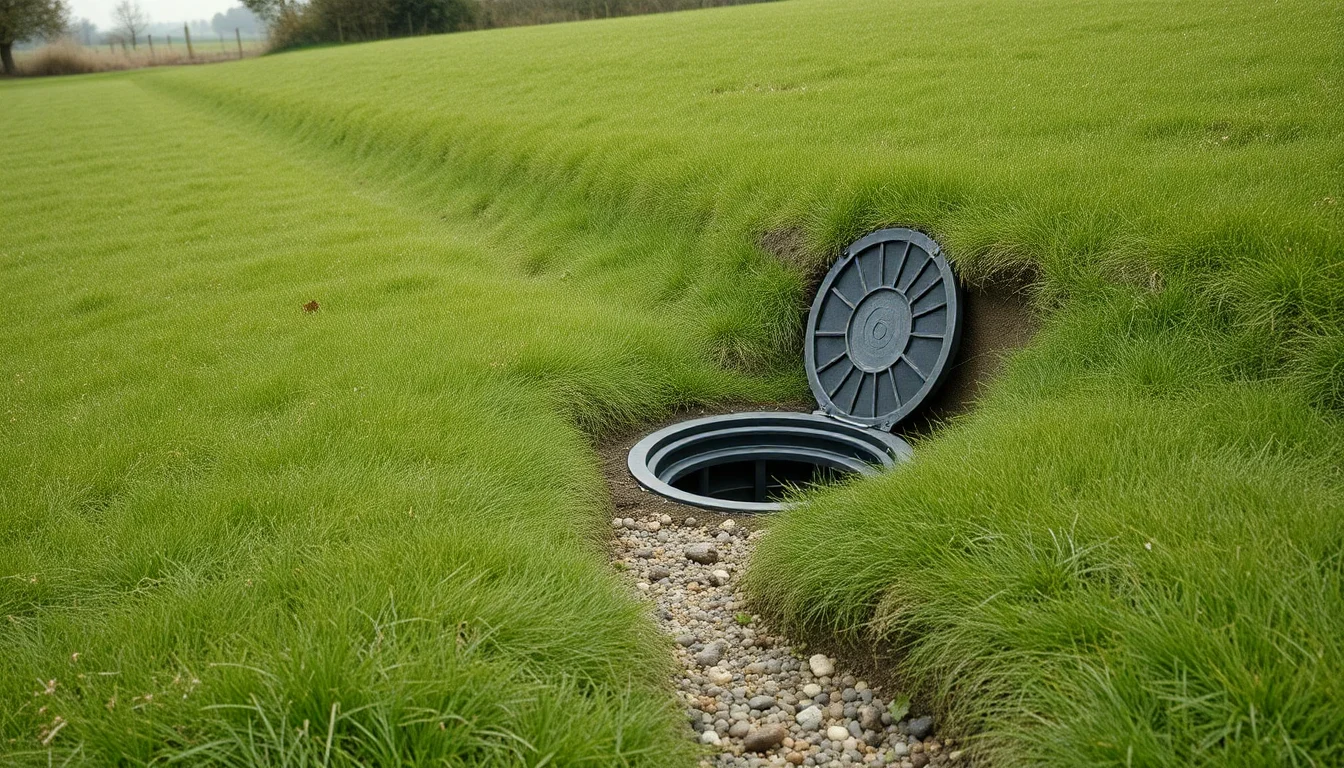
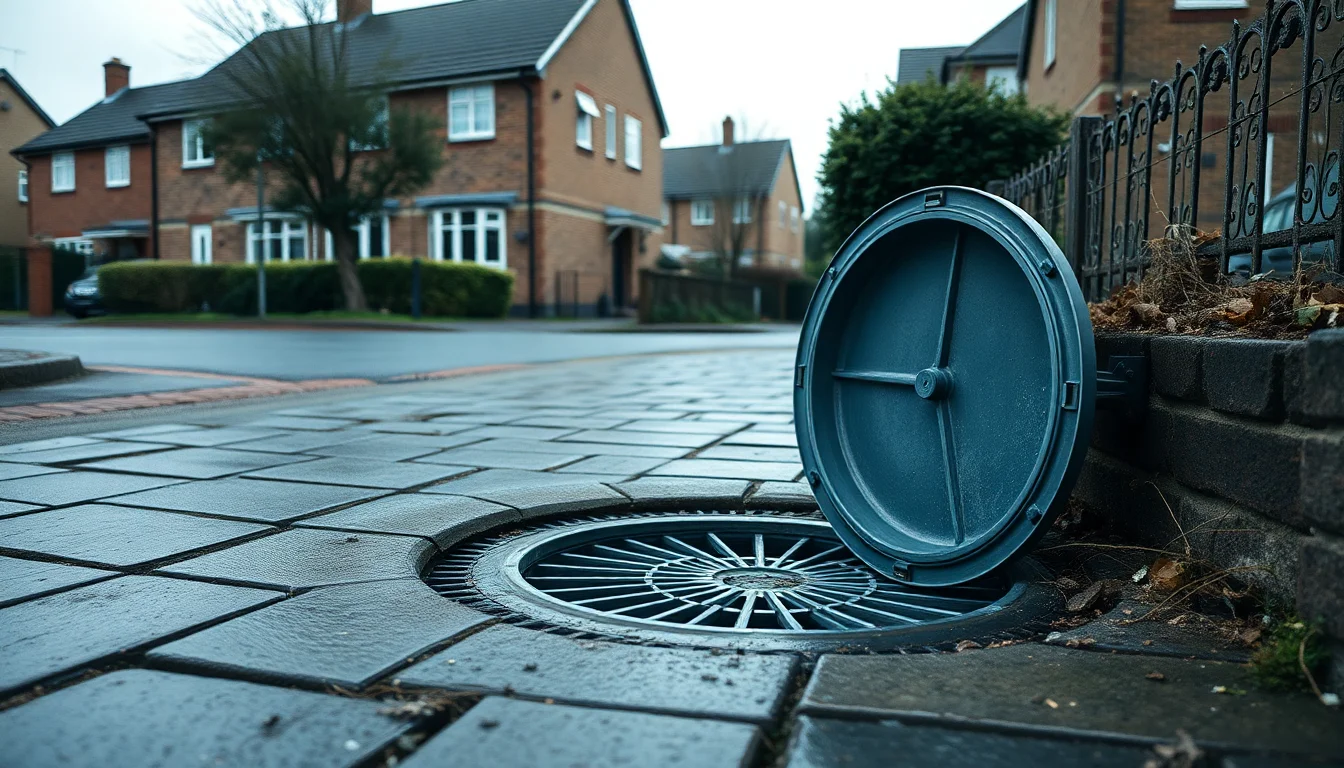
Most Basingstoke properties, whether a 1970s semi in Popley or Chineham or an older cottage on the edge of Old Basing, have at least one external gully or inspection chamber cover somewhere between the house and the boundary. Without lifting anything heavy, look down through the grate or gap in the cover. Standing water suggests the blockage is downstream of that point — outside the house rather than in the internal pipework. A dry chamber alongside slow internal fixtures points the other way, towards a blockage inside. Leave any cover that needs lifting to someone with the right tools; manhole covers, especially near a road, aren't designed for casual access.
What's Worth Trying, and What to Avoid
A plunger with a good seal, a clear-out of a sink's own strainer, or a kettle of hot water with a splash of washing-up liquid poured slowly down a sluggish drain can shift a lot of everyday blockages. What's worth avoiding: pouring caustic chemical drain cleaner into a drain that's already badly blocked, since it can sit on top of the obstruction rather than clearing it and can damage older pipework in the process; repeatedly forcing a hand rod into a run you can't see, which risks cracking a joint you didn't know was already weak; and standing on or attempting to lift a manhole cover, particularly anywhere near traffic.
Why Basingstoke's Mixed Housing Stock Matters Here
Basingstoke's drainage is not one uniform system. The estates built during the town's rapid 1960s-80s growth as a London overspill new town — Brighton Hill, Chineham, Popley, Buckskin and Hatch Warren among them — were laid out with the standard pipe materials and layouts of their era. Around the edges, in Old Basing and the villages beyond, older properties can have original pipework that predates all of that, sometimes with a chamber positioned somewhere less obvious than you'd expect on a modern estate. What worked for a neighbour two doors down isn't a reliable guide to your own pipe run, because the layout, material and age can differ from one property to the next even on the same street.
When to Stop Trying and Book an Inspection
A few signs mean it's time to stop testing your own patience and book a proper look: the same blockage keeps coming back within days of clearing it, there's a persistent smell of sewage rather than just a temporary one, you hear gurgling from more than one fixture when water runs elsewhere in the house, or water is visibly backing up rather than slowly draining away. These point to something beyond what a plunger or hot water can fix — a root intrusion, a displaced joint, or a genuine blockage further into the system.
What a Professional Visit Adds
A drain unblocking visit brings a few things a DIY attempt can't: safe access to chambers using the right equipment, the ability to see what's actually happening inside the pipe rather than guessing from the symptoms, and, where needed, a CCTV drain survey to confirm the cause before deciding on the fix. That matters because clearing the immediate blockage and clearing the underlying cause aren't always the same job; the aim is a drain that stays clear, not one that's simply been pushed past today's problem. For blockages sitting outside the house, our external drain unblocking service covers gullies and manholes specifically, while internal drain unblocking deals with anything inside the property itself.
If you've tried the checks above and the drain is still giving you trouble, get in touch through our online contact form and we'll take it from there.
Frequently Asked Questions
**What can I safely try before booking a professional?** A plunger with a good seal, clearing out a sink's own strainer, and flushing a slow drain with hot water and a little washing-up liquid are all safe first steps for a single, isolated blockage. If none of that shifts it, or the same fixture blocks again quickly, it's a sign to book a proper look rather than keep trying.
**How do I know if a blocked drain is an emergency?** Water actively backing up into the house, sewage smells that don't clear, or waste coming up through a fixture rather than going down are signs to treat it urgently. A single slow-draining sink that responds to a plunger is not usually an emergency in the same way.
**Why do my drains keep blocking?** Recurring blockages at the same point usually mean something is still lodged or building up in the pipe rather than having been fully cleared — a partial root intrusion, a section holding grease, or a displaced joint catching debris. A CCTV drain survey is the most reliable way to see what's actually causing it to return.
**Is it safe to use a chemical drain cleaner?** On a badly blocked drain, caustic chemical cleaners often sit on top of the blockage rather than clearing it, and can damage older pipework in the process. They're best avoided on anything beyond a very minor, fresh blockage.
**Do you clear blocked drains near me in Basingstoke?** Yes — we cover drain unblocking across Basingstoke, including Brighton Hill, Chineham, Popley, Buckskin and Hatch Warren, plus Old Basing and the surrounding villages. Get in touch through our contact form with your postcode and we'll confirm.